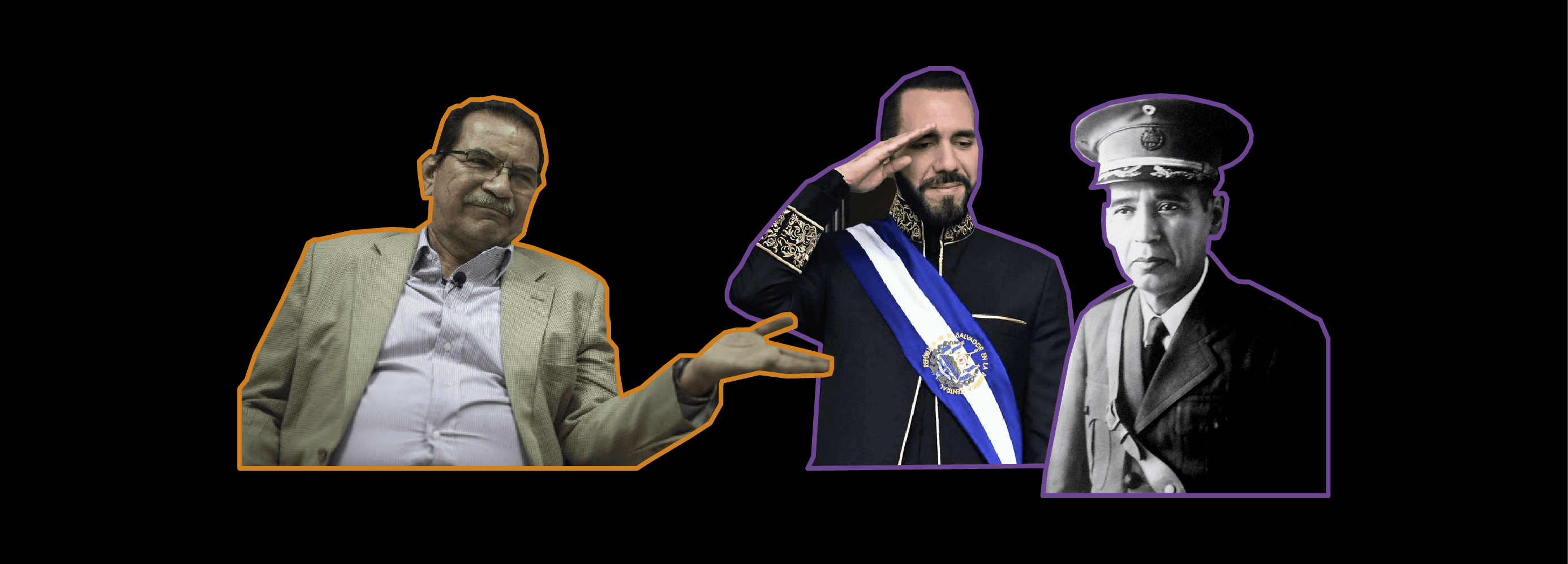
Speaking to an attentive crowd at the 2024 Conservative Political Action Conference (CPAC) —the annual gathering of America’s right-wing elite that has since gone global—Salvadoran President Nayib Bukele, a man who has branded himself “the world's coolest dictator,” 1 declared that a cabal of global elites was infuriated by the spread of their shared political project.
These elites, he warned, were determined to crush a growing movement that championed freedom and sovereignty over tyranny and collectivism. “The global elites, they hate our success, and they fear yours,” Bukele said.2 “The people's free will to choose their leaders is something they despise because they cannot control that.”
“They finance campaigns, district attorneys, to mention a few. They abuse their powers,” he continued, nodding to billionaire philanthropist George Soros. “They persecute political opponents. In El Salvador, we don't weaponize our judicial system to persecute our political opponents, a practice that may sound familiar to you, but we don't do that there.”
At the time of Bukele’s remarks, El Salvador was under a state of exception that had suspended3 civil and political rights nationwide. His sweeping crackdown on criminal gangs had led to the incarceration4 of 1.7 percent of the population, the highest rate in the world. Political dissent was being stifled by pro-Bukele prosecutors, and independent journalists had fled5 the country.
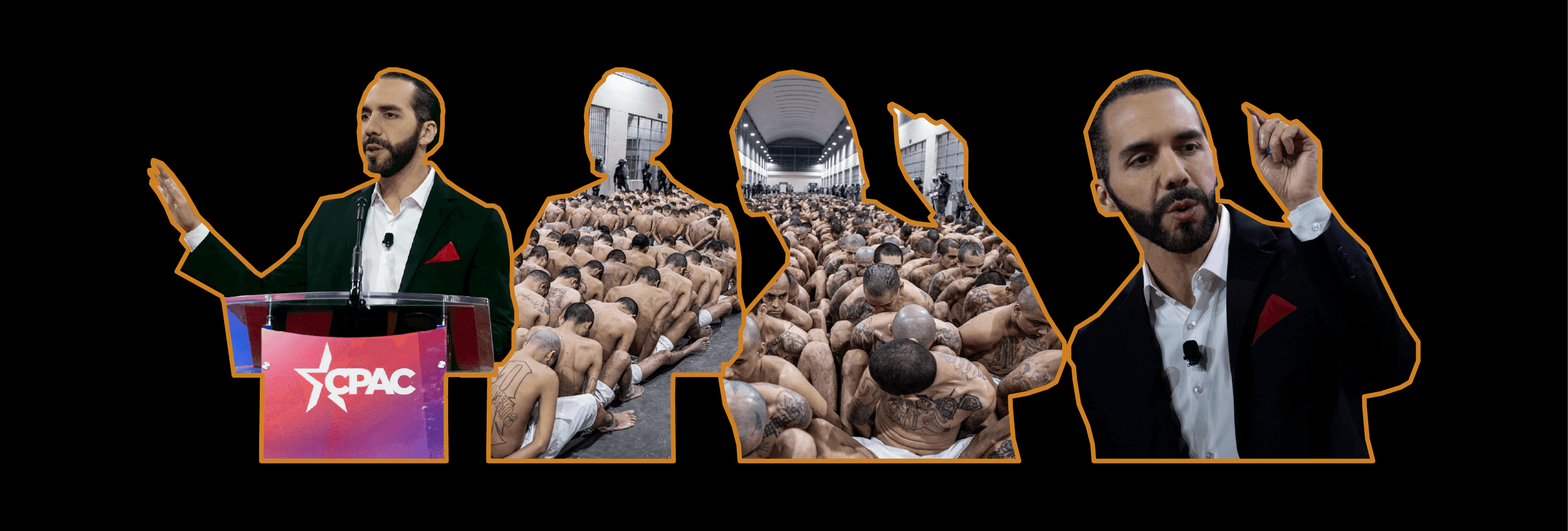
Bukele was in the process of running for an illegal second term6 having reshaped El Salvador’s judiciary to permit his re-election bid. Later that month, he would win re-election with 84.65% percent of the vote.
Since rising to power in 2019, Bukele has become a darling of the international right. His rule fuses classic strongman politics to a seemingly disparate constellation of ultra-conservative strategies: crypto-libertarian rhetoric, police-state repression, anti-historicism, and the deliberate blurring of left-right distinctions.
Understanding Bukele is essential not only to grasp the singular nature of El Salvador’s transformation but also to recognize the contours of a 21st-century reactionary model, one that governments and movements across the Americas are already beginning to emulate, and which already serves as a reference point for the global right.
La Mantanza and the Civil War
El Salvador’s modern political malaise can be traced back to one of the darkest chapters in Central America’s long history of class-based violence. In the late 1920s, as global coffee prices plummeted and the Great Depression deepened, the Salvadoran government initiated a wave of land seizures, selling off vast tracts to the highest bidders. Hundreds of thousands of peasants were dispossessed in the process. When the Salvadoran Communist Party was founded in 1930 by trade unionist Miguel Mármol, it described7 the peasantry’s new condition as one of “starvation wages, arbitrary and inconsistent wage reductions, massive unjustified firings, evictions . . . and direct and fierce repression by the national guard in the form of imprisonment, expulsions from homes, [and] burning of houses.”
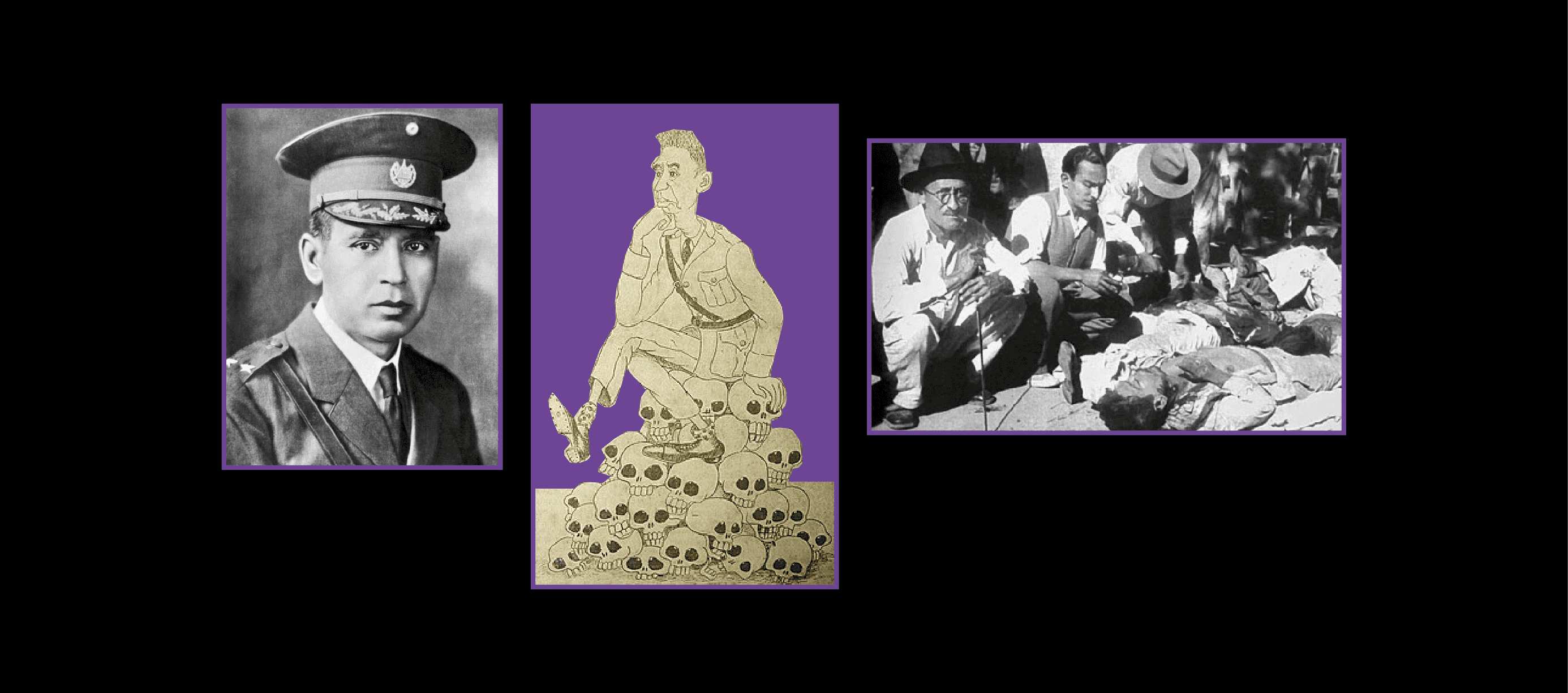
This entrenched, quasi-feudal order laid the groundwork for a popular uprising in 1932 led by Mármol’s party and revolutionary figures such as Farabundo Martí. However, the rebellion was swiftly and brutally crushed by the country’s landed oligarchy. The military government, led by the newly installed dictator General Maximiliano Martinez, launched a campaign of extermination that left some 30,000 dead—roughly two percent of El Salvador’s population. The episode became known as La Matanza, “The Massacre,” a foundational trauma that would haunt the country for generations.
In the decades that followed, El Salvador fell into a cycle of inter-class coups. And the repression only grew worse once the United States, alarmed by the 1959 Cuban Revolution, turned its imperial gaze toward Central America. Washington poured resources into the region’s repressive apparatus under the banner of anti-communism. In El Salvador, this alliance entrenched a militarized state that safeguarded elite interests while deepening the misery of the poor.
This relationship would, in turn, lay the groundwork for a second revolutionary wave among El Salvador’s working class. By the 1970s, a coalition of landless campesinos, left-wing activists, trade unionists, and progressive Catholic leaders had organized against the graft, exploitation, and violence that had become synonymous with the ruling juntas and their death squads. Resistance took both nonviolent and militant forms: Archbishop Óscar Romero became a moral voice for the oppressed, while insurgent Marxist guerrillas mobilized the rural poor. Ultimately, Romero’s assassination by government forces in 1980 transformed a simmering conflict into open war.
In the wake of his murder and the escalating political crisis, the left-wing Farabundo Martí National Liberation Front (FMLN)—named for the martyred revolutionary of La Matanza—was formed, igniting the Salvadoran Civil War. It quickly became one of the bloodiest conflicts of the Cold War. The Reagan administration provided vast military aid to the ruling junta, which later “democratized” under U.S. pressure and opened the door for far-right parties like the Nationalist Republican Alliance (ARENA) to dominate the political arena. Despite receiving8 more than $1.5 million in U.S. military aid per day, rivaling the funding received by Egypt and Israel during the decade, the Salvadoran elite proved unable to crush the FMLN. A ceasefire was finally reached in 1992.
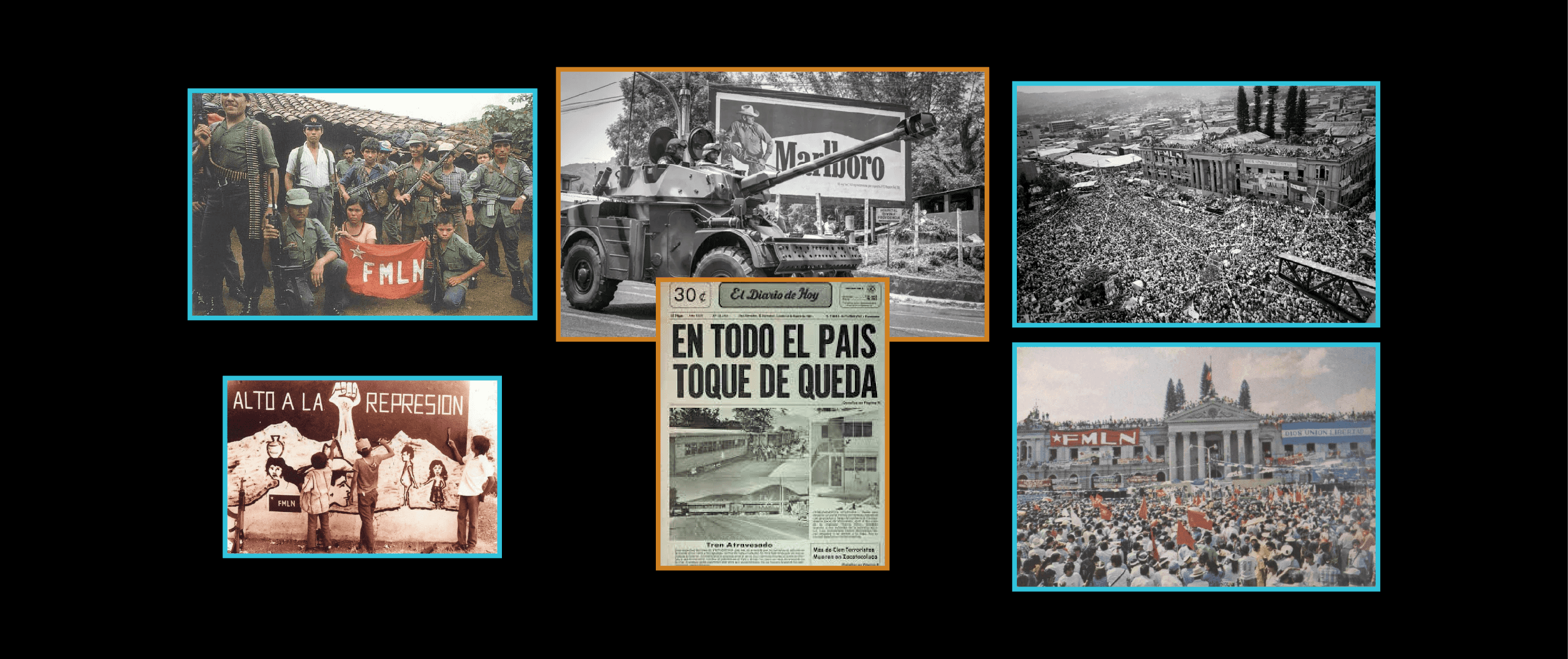
The cost was staggering. The war left 75,000 dead—most of them civilians—and displaced roughly one-fifth of the population, leaving an entire nation traumatized. According to the UN Truth Commission Report9 85 percent of those killed were victims of U.S.-backed security forces, paramilitary allies, and government death squads, whose campaign of terror systematically targeted anyone suspected of dissent.
“All the complaints indicate that this violence originated in a political mindset that viewed political opponents as subversives and enemies,” the report concluded. “Anyone who expressed views that differed from the government line ran the risk of being eliminated as if they were armed enemies on the field of battle.”
Inauguration of the Neoliberal Period
The reconciliation process of the early 1990s did bring peace, but it came at a tremendous cost to the economic well-being of the country’s workers. Even before the war had officially ended, El Salvador’s oligarchs had already consolidated around ARENA’s reactionary project, an alliance that according10 to CIA documents, had “successfully exploited widespread popular disaffection with the ruling Christian Democratic Party and worked hard to promote a new, moderate image.”
Once in power, ARENA moved swiftly to implement a sweeping neoliberal agenda. Foreign capital was welcomed with open arms; banks and public utilities were sold off; and the modest welfare programs established during the reformist period were dismantled. Millions in loans from the World Bank and the International Monetary Fund (IMF) were made conditional on11 structural adjustment, policies promising “a stable and competitive economy capable of stimulating sustained growth.” In practice, they gutted labor protections, deregulated markets, and transferred public wealth into private hands. The same oligarchic families who had long dominated El Salvador’s economy reaped enormous profits, while the poor were once again left to bear the burden.

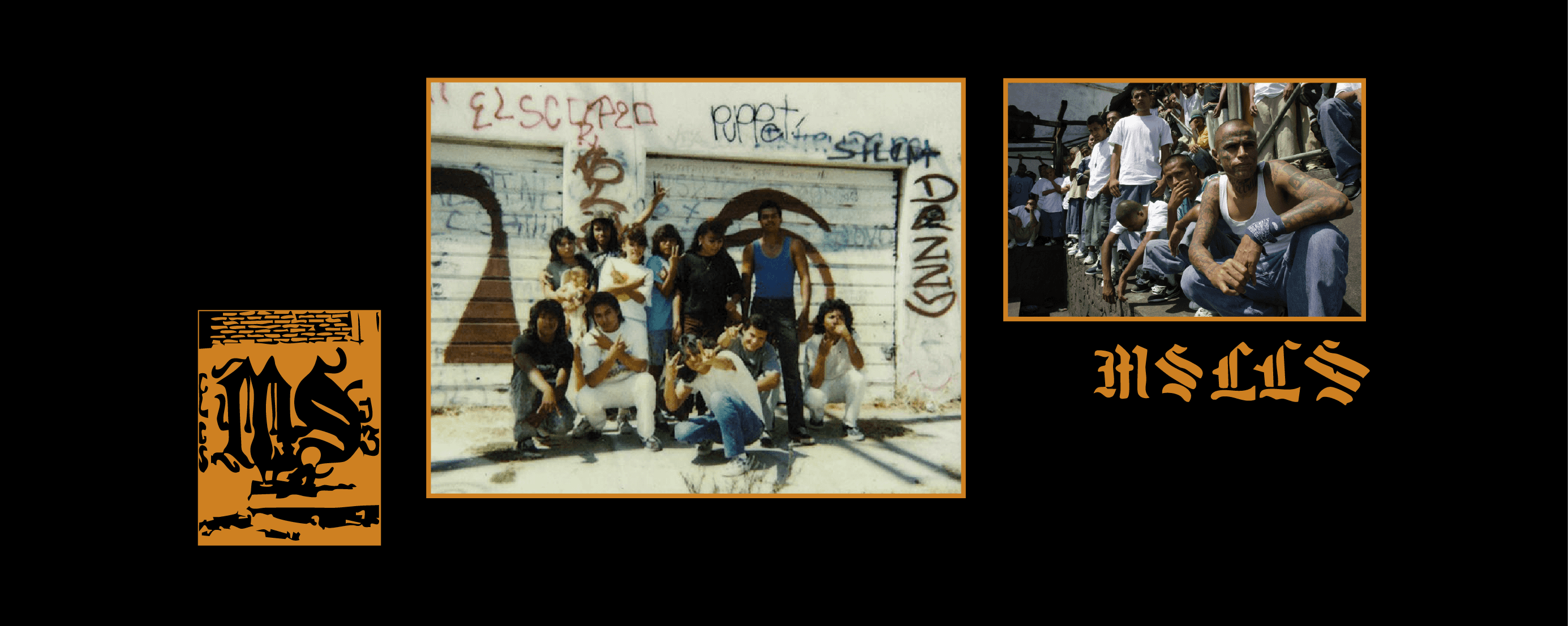
At the same time, the United States began deporting thousands of Salvadorans who had fled north during the civil war. Although many had sought asylum, Washington initially refused to recognize them as refugees, forcing them instead into undocumented status. This left them highly vulnerable to exploitation in low-wage, informal economies. In response, Salvadorans in cities like Los Angeles began to band together for protection and solidarity, but over time, these survival networks evolved into organized gangs, most infamously La Mara Salvatrucha (MS-13). Immersed in the criminal underworld of Los Angeles, these groups came to rely on violent extortion and drug trafficking as means of survival.
By 1996, even as some Salvadorans had obtained legal status, the United States began targeting people with criminal records for deportation, sending thousands back to El Salvador. Many of these deportees brought with them the criminal networks and survival strategies they had developed on the streets of the United States, skills that they quickly began to apply in a nation already devastated by war.
Research12 by Princeton economist María Micaela Sviatschi has shown that these gang expulsions were directly linked to unprecedented spikes in violent and drug-related crime in El Salvador. “I find that my main results are not driven by an increase in non-criminal deportations, deportees’ exposure to violence during the civil conflict, nor negative selection of immigrants to the U.S.,” she writes. “Therefore, this implies that crime in El Salvador only increased due to the deportation of gang members from the U.S.” Between 1985 and 2011, rates of violent and drug-related crime rose by nearly 40 percent.
Together, neoliberal precarity and the influx of organized criminal networks produced an unstable social and economic reality for the average Salvadoran. Yet despite deepening poverty and insecurity, ARENA maintained political dominance throughout the 1990s and 2000s. Following the peace accords, the FMLN had demobilized its guerrilla army and reconstituted itself as a formal political party, but it faced steep institutional barriers in the new “democratic” system, one deliberately structured to preserve elite control.
“Taking advantage of their supremacy, [ARENA] repeatedly refused to adopt a preferential voting system, one in which citizens could vote for the candidates to the Legislative Assembly who would best represent them,” observed a report13 by the Berghof Foundation. “In the electoral system that prevailed until 2010, the party leaders selected the list of candidates and the order in which they would access the Legislative Assembly; deputies to the Assembly were, therefore, not those who received the most votes but those chosen by the party leadership.”
Even so, the FMLN slowly began to rebuild. Through patient grassroots organizing, it gained control of municipalities, expanded its base among workers and rural communities, and gradually increased its representation in the legislature. By the mid-2000s, the Salvadoran left had once again become a national force, poised to challenge the hegemony that had defined the postwar order for more than a decade.

Rise and Fall of the Peacetime FMLN
ARENA’s long austerity regime began to unravel in the aftermath of the 2008 global economic crisis, paving the way for the FMLN to win the most seats in the 2009 legislative elections, its first major victory as a peacetime party. Yet this left-wing government, part of the broader progressive wave known as Latin America’s Pink Tide, inherited a country in ruins. Decades of neoliberal rule had hollowed out the state and undermined public finances. Under ARENA, $5.7 billion in public assets had been sold off for a fraction of their value, while government debt soared following deep cuts to income and property taxes. By the time the FMLN assumed office, food prices had skyrocketed, half the population was underemployed, and weary citizens were fleeing the country in record numbers.
To manage the catastrophe, the FMLN embarked on an ambitious program of social investment, expanding public spending nearly sixfold. The government distributed school supplies and shoes to children, launched adult literacy campaigns, provided seeds to more than 250,000 small farmers, and opened hundreds of free medical clinics. These measures represented the most serious attempt since the Civil War to address poverty and inequality at their roots.
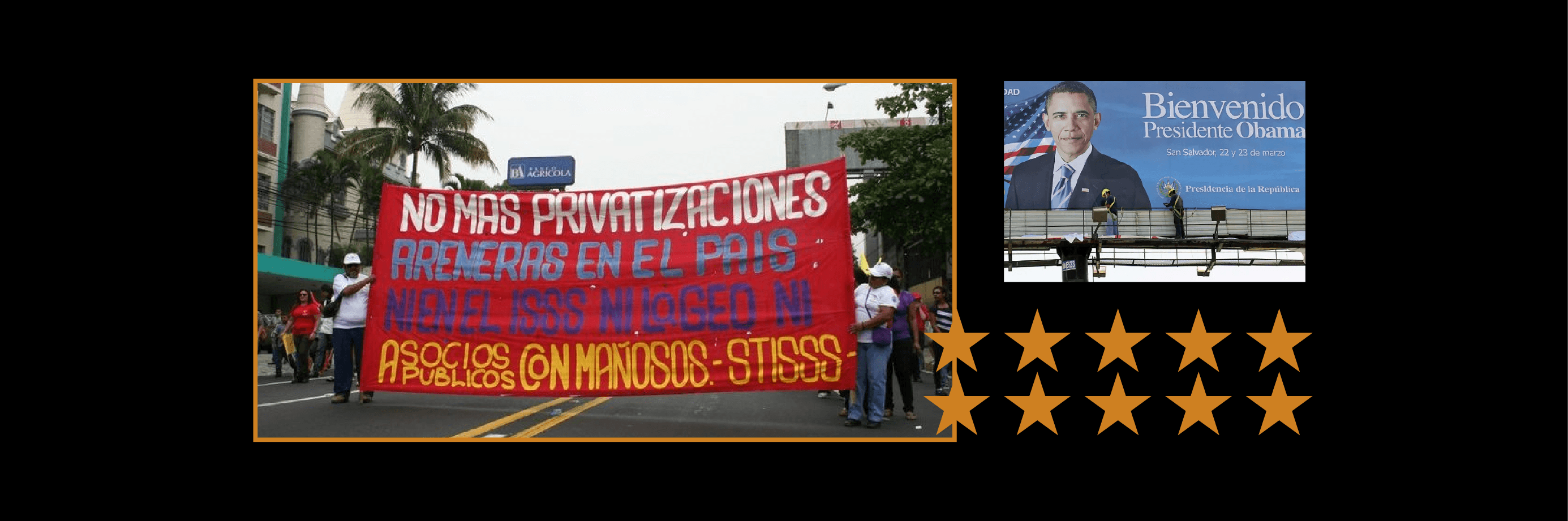
But such deficit spending perturbed international financial institutions. The IMF, World Bank, and U.S. Treasury Department—working in concert with ARENA lawmakers—sought to roll back the FMLN’s reforms through a bill known as the P3 Law. The proposed legislation called for sweeping privatization via public-private partnerships, which14 “envisaged auctioning off the running of everything from highways, ports and airports to municipal services, schools, healthcare, roads, higher education prisons and water systems, to private companies—mainly foreign multinationals.” US President Barack Obama’s ambassador to El Salvador even threatened15 to withhold American aid if the government failed to pass the measure. Facing this pressure, the FMLN mobilized mass resistance, ultimately blocking many of the most damaging provisions and preserving key social programs in health and education.
This tug-of-war between neoliberal orthodoxy and social democracy defined the FMLN’s time in power. Left-wing lawmakers sought to dismantle El Salvador’s entrenched inequality through redistribution and welfare expansion, while ARENA — with backing16 from the United States — accused the government of corruption and authoritarianism, despite having itself looted17 the country for decades.
Once ARENA regained ground in the 2012 elections, the FMLN was forced into uneasy negotiations with its right-wing rivals. Hemmed in by an opposition-controlled legislature and a conservative judiciary that struck down many of its reforms—including attempts to overhaul the country’s regressive tax system—the party’s transformative ambitions stalled. Meanwhile, corruption scandals, including allegations of money laundering against former president Mauricio Funes, further eroded the FMLN’s credibility.
“These episodes helped foster a climate of cynicism and rejection not just of the FMLN, but of politics in general,” observed18 Hilary Goodfriend, a doctoral researcher at the National Autonomous University of Mexico. “This ideological work was amplified by the monopolized corporate media, which relentlessly railed against the government.”
By the time of the 2018 legislative elections, the cumulative effect was devastating. Despite measurable gains in social welfare and education, the FMLN’s perceived moderation—coupled with persistent gang violence—alienated much of its base. Once the face of revolutionary resistance, the left had come to symbolize compromise and stagnation.
Out of this disillusionment emerged a new political figure: youthful, telegenic, and self-styled as an outsider. In the wreckage of El Salvador’s postwar politics, Nayib Bukele would find his opening.
Enter Stage Left: Nayib Bukele
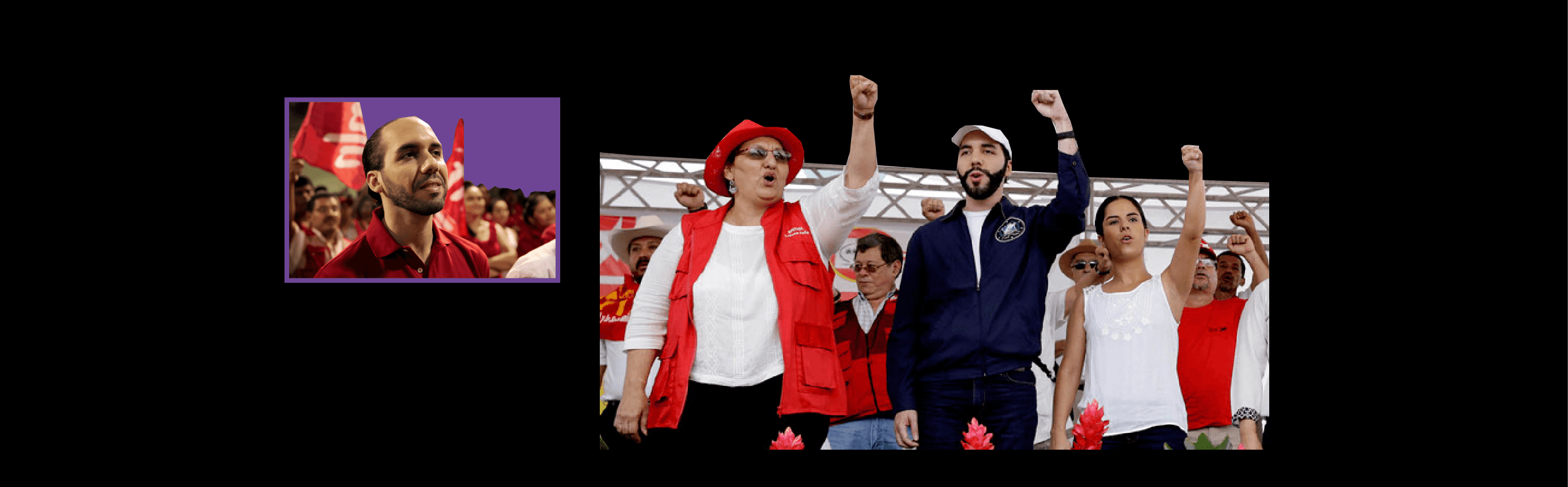
Ironically, the man most responsible for El Salvador’s return to reactionary governance was once, at least nominally, a product of the left. Nayib Bukele—born into a Palestinian-Salvadoran business family that sympathized with the FMLN—first entered politics through his work19 at the family’s advertising firm, which had been contracted to manage the party’s image as it transitioned from insurgent movement to electoral contender. Tasked with helping rebrand the FMLN as a force fit to govern, Bukele worked closely with the party during its 2009 electoral victory. Three years later, running under the banner of his former client, he launched a self-financed campaign for mayor of Nuevo Cuscatlán, a suburb of the capital, San Salvador, and won.
At this stage, Bukele remained a member of the FMLN, though he carefully avoided the radical, Marxist-inflected rhetoric of the party’s founding generation. The civil war had displaced or killed much of the Gen-X cohort, leaving El Salvador’s political class dominated by elders born in the mid-twentieth century. This generational imbalance created gaps20 in understanding modern campaigning, something that Bukele was quick to exploit. His fluency in social media and branding made him an outlier in Salvadoran politics. Unlike the party elders, he embraced contemporary campaign tools such as polling and surveys to gauge public sentiment, while also resorting to more underhanded tactics, including the use of fake social media accounts to discredit his opponents. His sophistication soon caught the attention of FMLN leadership, which recruited him to run for mayor of San Salvador, as part of a push unseat the incumbent ARENA administration from the nation’s capital. In 2015, he narrowly defeated his ARENA rival, thanks in no small part to the same online tactics that would later define his political machine.

Now a national figure, Bukele set out to dramatically reshape the image of the capital. His tenure was defined by an ambitious program of public works: derelict plazas were restored, streets were resurfaced, a state-of-the-art library was built, streetlights illuminated once-neglected neighborhoods, and a gleaming boutique shopping center rose in the city’s heart.
Even then, the style of governance he practiced foreshadowed what would later make him a darling of global reactionary movements. “Before Bukele,” a San Salvador businessman told21 The New Yorker, “you’d go to the mayor’s office and find a long table full of council members—lots of bureaucracy. With Bukele, you’d sit down at the same long table, but it would just be him and an assistant. On one hand, it was great because decisions got made. On the other, you’d leave thinking, Uh-oh—it’s just one guy.”
Bukele’s centralized approach to power extended beyond City Hall. Attempts to investigate his conduct in office were met with fierce backlash. The tech-savvy mayor had already cultivated an alternative media ecosystem, amplified by an army of online troll accounts ready to swarm his critics. What had begun as a digital campaign strategy was fast becoming a tool of intimidation.
As Bukele’s star rose, his relationship with the FMLN deteriorated. The party that had once seen him as a symbol of modernization increasingly viewed him as a liability. Tensions reached a breaking point in 2017 when he was expelled from the FMLN following a bizarre altercation in which he allegedly threw an apple at a city attorney and called her a “witch.”
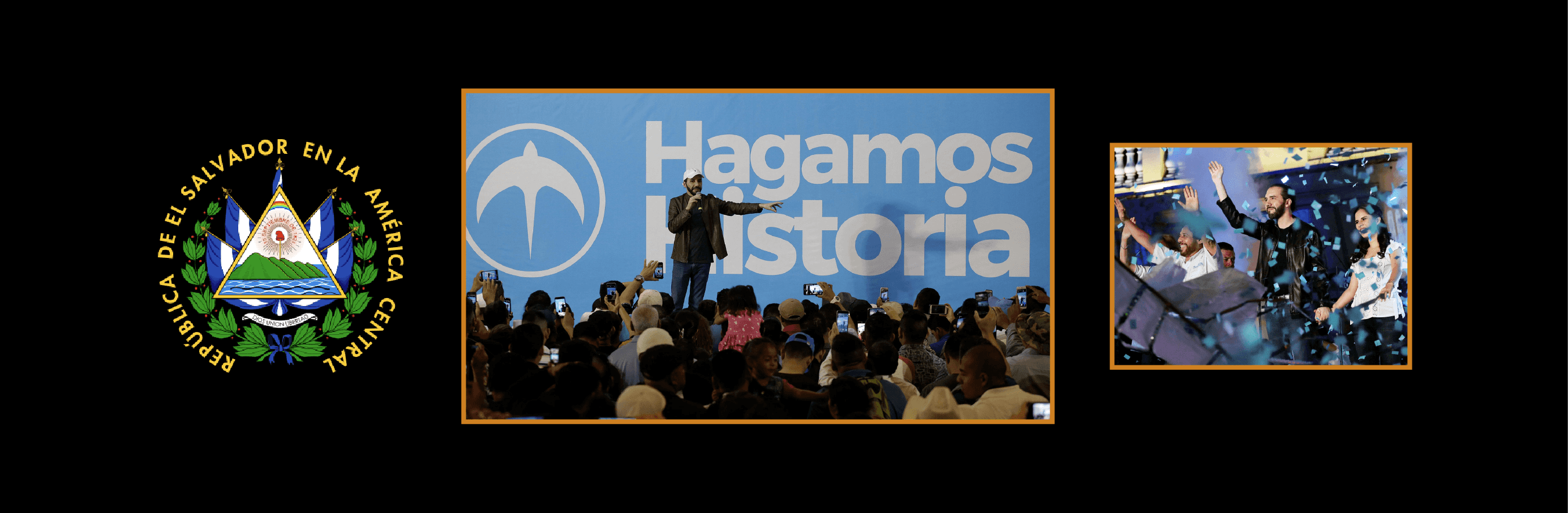
Undeterred, Bukele launched a new political vehicle, Nuevas Ideas (“New Ideas”), which he presented as a generational revolt against El Salvador’s ossified political system. When electoral authorities blocked the party from participating in the 2019 presidential race, Bukele found a workaround, running instead under the banner of the small, right-leaning Grand Alliance for National Unity (GANA).
Disenchanted with both ARENA and the FMLN, voters flocked to Bukele’s anti-establishment message. Campaigning under the slogan “There’s enough money when no one steals,” he presented himself as a youthful outsider determined to shatter El Salvador’s political duopoly, root out corruption, and end gang violence. His image—young, confident, impeccably styled, and able to speak to a younger audience—proved irresistible. On election night, Bukele secured an outright majority with 53 percent of the vote, leaving ARENA at 31 percent and his former party, the FMLN at just 14.
The Bukele era had begun, unmoored from traditional institutions and centered on a personality cult built on the illusion of efficiency.
The Early Years
One of Bukele’s central campaign promises was to end El Salvador’s epidemic of gang violence. He had previously denounced22 the so-called Mano Dura (“Iron Fist”) policies once championed by ARENA governments, which were characterized by mass arrests, indiscriminate targeting of alleged gang members, and widespread human rights abuses carried out with little regard for legality. Conversely, successive FMLN administrations had pursued a policy of negotiation, brokering truces and non-aggression pacts with the country’s major gangs. While these agreements did successfully reduce23 violence, the truces, and their eventual collapse, proved deeply unpopular24 and politically costly.
In contrast, Bukele proposed what he called the Territorial Control Plan: a supposedly modern, lawful approach that would pair targeted security operations with social programs and youth employment initiatives, aiming25 not only to suppress violence but to prevent young Salvadorans from joining gangs in the first place. At first, the results seemed extraordinary. The homicide rate fell from 38.0 per 100,000 people in 2019 to 18.1 in 2021, and by 2024 it had reached a record low of just 1.9.
Yet the triumphalist narrative surrounding Bukele’s “miracle” obscured a crucial fact: the truces remained the only proven means of reducing violence in El Salvador. The Mano Dura policies of the 2000s had been both brutal and ineffective, while the FMLN’s negotiated truces—despite their controversy—were the only initiatives that produced a sustained decline in homicides, interrupted only by a sharp spike in 2015 following the collapse of one such pact under President Salvador Sánchez Cerén.
Bukele followed the same playbook. As mayor of San Salvador, he had already engaged26 in covert understandings with gang leaders to maintain order in the capital. As president, he replicated the strategy on a national scale, only this time pairing it with a relentless public-relations campaign. Outwardly, he staged a revival of Mano Dura, projecting the image of an uncompromising gang fighter. Behind the scenes, however, his government quietly negotiated with the very criminal organizations he claimed to be eradicating.
A supposed distinction between Bukele’s Territorial Control Plan and earlier Mano Dura policies lay in its professed adherence to legality, its claim that security operations would follow due process and institutional norms rather than arbitrary repression. In practice, however, the initiative quickly reverted27 to mano dura-style tactics. Bukele proved equally willing to deploy such methods against other branches of government. When the two traditional parties, ARENA and the FMLN—still holding a majority in the Legislative Assembly, refused to approve a $109 million loan for the plan without greater transparency over its spending, Bukele responded with open intimidation.
On February 9, 2020, he marched into the National Assembly flanked by armed soldiers and police officers, occupied the chamber, and prayed in the president’s chair before demanding that legislators approve the loan. The display was widely condemned as an attempted coup. Though the Assembly ultimately rejected his ultimatum, the episode marked a decisive turning point: Bukele had tested the limits of civilian rule, and discovered there were few consequences for crossing them. When the COVID-19 pandemic struck shortly thereafter, he seized the opportunity to consolidate power further, bypassing the legislature altogether and ruling by decree.
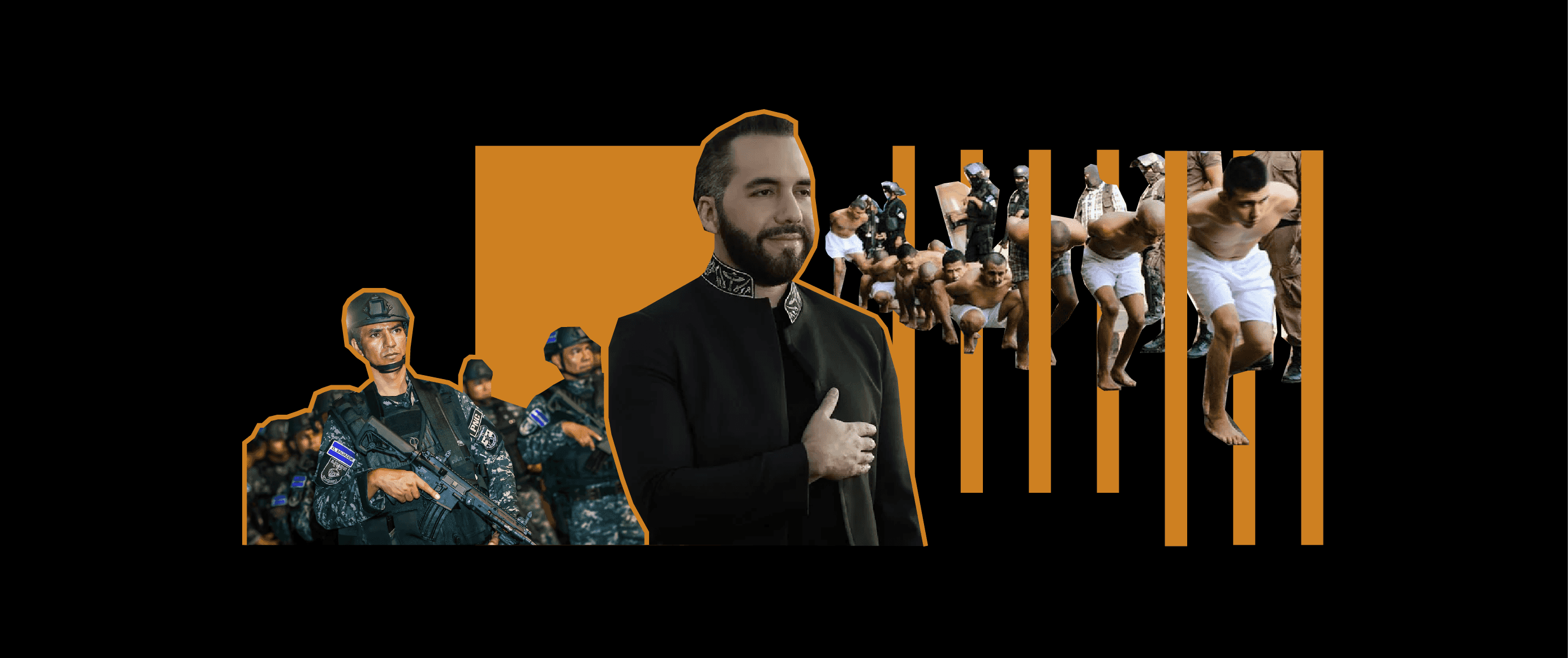
Pandemic Authoritarianism
While Bukele’s increasingly authoritarian gestures had drawn some domestic and international backlash, the COVID-19 pandemic and its all-consuming global impact allowed El Salvador’s new strongman to slip largely out of the international spotlight. The brief outcry over his February 2020 armed occupation of the legislature quickly faded as the world turned its attention to the various domestic effects of the pandemic. Like many leaders, Bukele’s early pandemic response was defined by crisis management, but for him, it also presented the perfect opportunity to consolidate power.
On March 20, 2020, he imposed a sweeping state of emergency in response to the virus. The measures included28 enforced quarantines, the suspension of transparency laws, and a refusal to disclose how the executive branch was spending public funds, all enacted via presidential decree. Despite multiple29 Supreme Court rulings against him, Bukele kept the restrictions in place well into mid-June.
One of Bukele’s major political windfalls from the COVID-19 pandemic was a further drop in El Salvador’s murder rate. Globally, lockdowns had produced30 a similar effect, as restrictions on movement temporarily curtailed opportunities for violent crime. Yet Bukele — ever the consummate marketer — recast this broader phenomenon as a personal victory. He quietly maintained the gang truces that had already driven down homicides, but presented the continued decline as proof of his own decisive leadership and the supposed success of his draconian security policies. In reality, the picture was far darker: Bukele manipulated31 events to control the media narrative, while El Salvador’s gangs remained as powerful as ever, merely operating under new, tacit understandings with the state.
The apparent calm nonetheless paid enormous political dividends. Riding the illusion of peace, Bukele’s party, Nuevas Ideas, swept the 2021 legislative elections, securing a two-thirds majority in the Assembly. With the opposition neutralized, Bukele moved swiftly to consolidate power over other branches of the state. Shortly after the new legislature was convened, his allies voted32 to remove the attorney general and all five judges of the Constitutional Chamber of the Supreme Court. The purge gave Bukele unchecked authority over all branches of government, effectively transforming him into a one-man ruler.
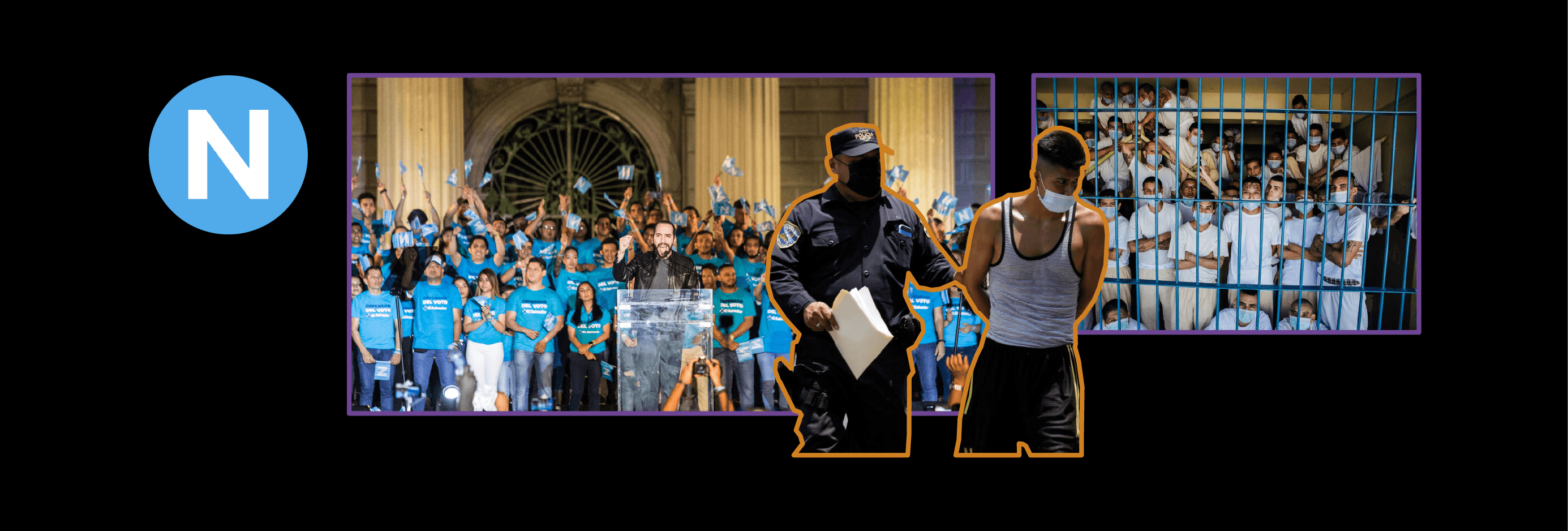
The only force still capable of challenging Bukele’s dominance was the country’s powerful criminal underworld. In March 2022, after gangs unleashed a wave of violence—leaving sixty-two people dead in a single day in what appeared to be an effort to pressure the government—Bukele seized on the bloodshed to declare33 a nationwide state of exception. The decree suspended key constitutional rights and authorized mass arrests of anyone merely suspected of gang affiliation. With a judiciary now packed with loyalists and a subservient legislature at his command, Bukele has renewed the emergency month after month, entrenching his one man rule over the country.
One Man Rule
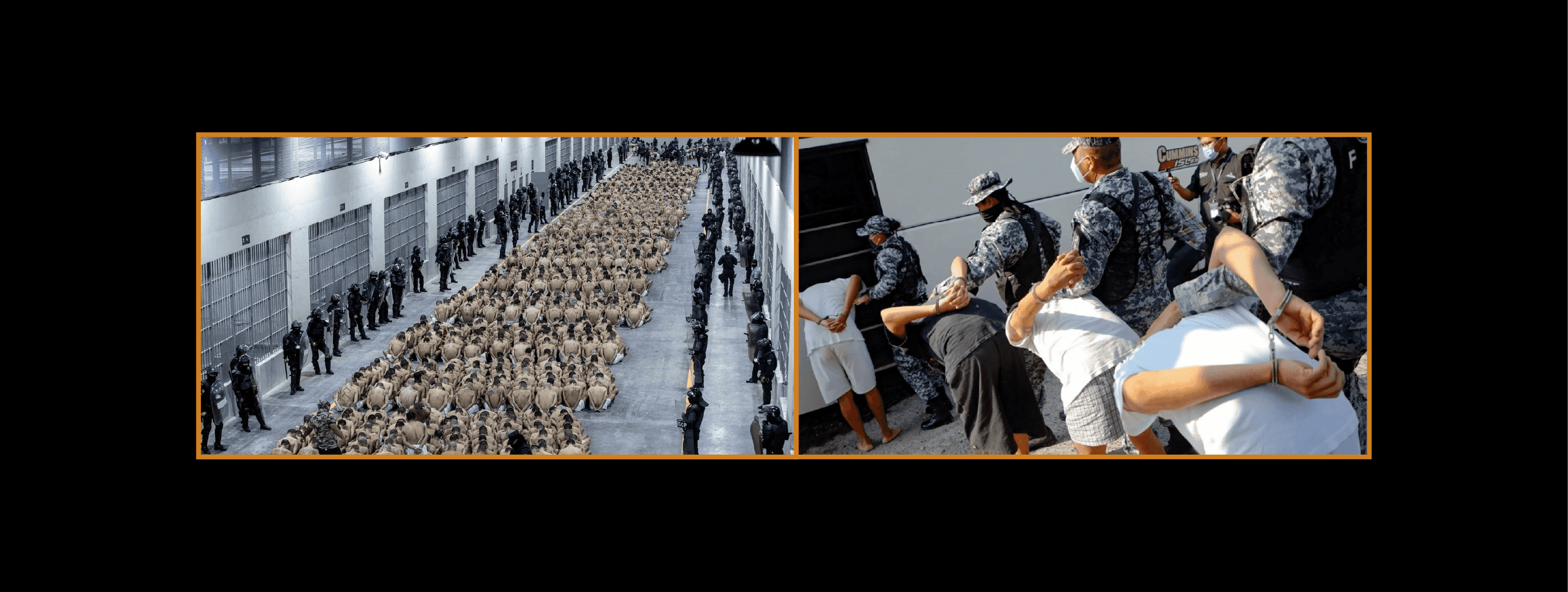
The mass arrests transformed El Salvador from the homicide capital of the world into its leading jailer. The Bukele administration insists that these measures target only gang members, who are treated much like suspects detained during the U.S. “War on Terror.” The human cost, however, has been staggering. Roughly 1.7 percent of the population has been imprisoned, overwhelmingly without meaningful due process.
Of the 83,000 presumed to have been detained34 over the first 1,000 days of the crackdown, some 3,000 were children35. An estimated 14,000 are believed to be innocent36, while an additional 6,000 have been quietly released37 when it became clear that they had no criminal connections. Many detainees have effectively disappeared38, they are seized without warrants, denied access to lawyers or family, and held indefinitely without trial. The evidentiary threshold for detention is often negligible: tattoos, anonymous tips, or mere residence in a neighborhood deemed “gang-controlled” have been sufficient. Predictably, the result has been catastrophic overcrowding. In turn, this has led to an overcrowding of the country’s prison system, which is reported39 to be “over 300% capacity since the state of emergency was instituted.”
And while such extreme measures have indeed lowered reported crime rates, giving El Salvador one of the lowest official40 homicide rates in Latin America, the reality is far murkier. The Bukele government has been repeatedly accused of manipulating crime data to sustain its success narrative. Authorities count murders selectively, excluding killings that occur during confrontations between gangs and security forces, and often registering mass graves as single homicides. Femicides and disappearances are likewise neglected in official statistics, allowing the government to present an artificial picture of public safety. Independent research suggests that the true homicide rate may be undercounted41 by as much as 47 percent. While this would still represent a significant reduction compared to the country’s past levels of violence, it masks a more troubling shift: the power once exercised by gangs has not disappeared so much as it has been transferred.
In the vacuum created by the mass imprisonment of gang leadership, the Salvadoran military and police have increasingly assumed coercive roles long associated with organized crime. Reports of arbitrary detention42, sexual violence43, and enforced silence are widespread. Security has been achieved not through the restoration of the rule of law, but through its suspension. The state has reasserted its monopoly on violence, while simultaneously insulating that violence from oversight, accountability, or public scrutiny.
Bukele has leveraged this security apparatus to neutralize virtually all forms of dissent. His government has deployed the Israeli spyware, Pegasus, to surveil44 journalists, human rights activists, and NGO staff. The gang crackdown and purported anti-corruption measures have been repeatedly invoked to justify raids45 on liberal nonprofits, sustained harassment46 of independent media, and politically motivated investigations47 targeting the opposition FMLN. At the same time, transparency laws have been systematically dismantled48, access to public records curtailed, and oversight institutions hollowed out, rendering independent investigation into state abuses increasingly impossible.
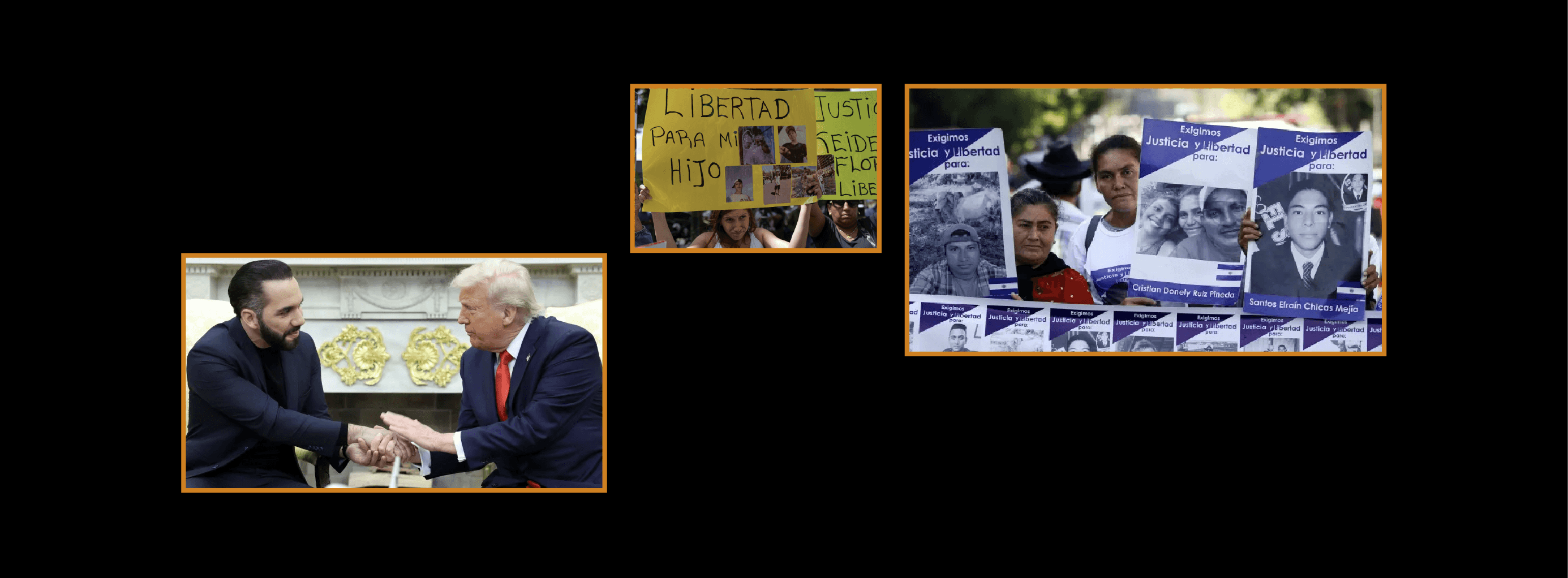
The result has been a sustained exodus49 of critical voices. Journalists, activists, and civil society figures have been driven into exile, while those who remain operate under constant threat. Civil society has not simply been weakened; it has been either subordinated to executive power or eliminated altogether. Bukele’s personal approval ratings remain extraordinarily high—often hovering around 80 percent—yet those same surveys reveal50 a pervasive culture of fear. Many Salvadorans are now afraid to speak openly against the government, a condition that did not prevail even in the immediate aftermath of the civil war.
El Salvador today is tightly centralized around a single figure, sustained by spectacle, repression, and a genuine—if fragile—sense of restored order. Bukele has proven adept at governing through propaganda and force. What remains far less clear is how his system responds to crises that cannot be subdued by mass arrests or emergency powers. The regime’s strength lies in its capacity to normalize a state of permanent exception; its vulnerability lies in what happens when exception no longer suffices.

Carceral Economy
Indeed, it remains unclear whether El Salvador can ever emerge from its permanent state of emergency without unraveling the fragile peace it has manufactured. With roughly 3 percent of the country’s male population now behind bars, the social and economic repercussions of prolonged mass incarceration are profound. Entire communities have been hollowed out of working-age men, accelerating household precarity as families are forced to bear the financial burden of supporting detained relatives. These dynamics have likely contributed to El Salvador posting the lowest51 economic growth rate in Central America in 2025, even as the government continues to tout its security achievements.
Nor is there an obvious path back. Should El Salvador attempt to return52 incarceration levels to their pre-Bukele baseline, nearly one hundred thousand detainees would be released into the same conditions of poverty, unemployment, and social marginalization that originally fueled gang recruitment. The security state has suppressed violence without addressing its structural causes, leaving the government trapped between the risks of continued mass detention and the destabilizing consequences of reversal.
Rather than confronting this dilemma, the Bukele administration appears determined to double down. The proposed 2026 budget allocates nearly one-tenth of total public spending—roughly one billion dollars—to security and policing. This expansion comes even as Bukele has secured53 a new loan from the International Monetary Fund, accompanied by familiar demands for fiscal restraint. Although the president has now presented two consecutive “zero-debt” budgets, the lion’s share of discretionary spending54 continues to flow toward the security sector, while education, health care, and social welfare remain chronically underfunded and largely stagnant.
Bukele himself has tacitly acknowledged the unsustainable cost of this model. His administration has sought agreements with foreign governments to house their prisoners in Salvadoran facilities, effectively monetizing incarceration through external contracts. At the same time, it has proposed offsetting the roughly $200 million required annually to operate the prison system through the so-called “Zero Idleness” program55, which puts detainees to work under coercive conditions. Combined with the widespread reports56 of arbitrary mass detentions based on flimsy or nonexistent evidence, the system increasingly resembles57 a state-run carceral economy, one that profits from confinement while criminalizing the poverty it leaves unaddressed.
Yet even the most consolidated security state cannot insulate itself from economic reality. Bukele’s power ultimately rests on precarious foundations. Nearly a quarter of El Salvador’s GDP derives from remittances58 sent by Salvadorans abroad, most of them among the roughly two million living in the United States. This leaves the country heavily dependent on U.S. policy decisions and, in practice, on the disposition of the White House. Even under the current favorable relations, El Salvador would face severe disruption if Washington were to deport even a fraction of the estimated 1.4 million undocumented59 Salvadorans residing in the United States.
The risks are especially acute should the U.S. move to terminate Temporary Protected Status (TPS), which grants work authorization to roughly 200,000 long-established Salvadoran migrants, a step that Trump attempted60 during his first administration. The forced return of even a small share of this population would place enormous strain on a country of just over six million people, overwhelming a state that has chronically underfunded its own capacity.
Constrained by IMF conditionality and the immense fiscal demands of the security state, Bukele has increasingly turned to high-risk “moonshot” projects as substitutes for conventional economic development. Lacking the political vision or willingness to pursue broad-based growth through wages, public investment, or redistribution, his administration has largely recycled the ARENA economic model, repackaged with a marketing gloss through headline-driven initiatives designed to attract foreign capital.
Bitcoin, Tech, and the Moonshot Economy
If people had any association with El Salvador before CECOT and Bukele’s open alignment with the Trumpist right, it was likely for a single reason: in 2021, the country became the first in the world to adopt Bitcoin as legal tender. The move was framed as a bold step toward a tech-forward economy, one that would modernize finance, attract foreign investment, and reduce the cost of remittances. What received far less attention is that, despite the headlines, the project has since been quietly shelved61 as a failure.
Despite heavy state promotion and the launch of the government-backed Chivo wallet, Bitcoin never meaningfully integrated into everyday economic life. Most Salvadorans who received Bitcoin through state incentives promptly62 converted it into U.S. dollars. Businesses largely avoided pricing goods in Bitcoin, remittances continued to flow through traditional channels, and volatility made the currency unusable for wages, rent, or basic consumption. Rather than transforming the economy, Bitcoin became a speculative experiment whose costs were absorbed by the state, whose returns have been minimal, and which has effectively been sidelined under pressure from the IMF, despite Bukele’s continued insistence that the policy was a success.
Bitcoin, however, was not an isolated misstep. It was a symptom of a broader governing approach: Bukele’s reliance on high-risk “moonshot” projects based on Silicon Valley’s venture-capital logic. Under this model, thousands of speculative bets are placed with the expectation that most will fail, in the hope that one might generate monopoly-level returns. But Bukele has applied this logic to an entire63 national economy, gambling on longshot bets to spark growth without a clear underlying development strategy. And unlike Silicon Valley investors, he is not risking private capital, but public coffers.
Most recently, Bukele announced a partnership64 to introduce Elon Musk’s xAI tools into public schools. Bukele claims that “this partnership is destined to deliver something rather extraordinary for all of humanity” despite growing evidence that AI is actively harmful 65 to learning. More fundamentally, without any serious effort to generate broad-based prosperity or to end El Salvador’s long-standing subjection to foreign economic exploitation, such initiatives are unlikely to deliver meaningful benefits. At best, in the absence of a strategy to create jobs domestically, it would just prepare students for work that does not exist at home, increasing pressure to emigrate; at worst, they would amount to an expensive experiment with little lasting educational or economic value besides boosting Elon Musk’s stock prices.
In the absence of a coherent development strategy rooted in wage growth, industrial policy, public investment, or redistribution, these projects serve a political purpose more than an economic one. They generate headlines, attract speculative capital, and reinforce Bukele’s image as a visionary strongman modernizer.
In practice, the only sector to experience significant growth in recent years has been tourism—an inherently unstable and often exploitative development strategy, particularly when it becomes the primary engine of growth. Tourism is highly sensitive to external shocks and depends heavily on conditions beyond a country’s control. This vulnerability is especially acute in El Salvador, where recent increases have rested on two narrow pillars. The first is the Salvadoran diaspora,66 with migrants returning to visit family, whose spending is entirely dependent on the economic stability of the United States. The second is a form of right-wing political67 tourism, driven by visitors attracted to projects like Bitcoin City or Surf City and to Bukele’s international profile. But it remains unclear whether the Trump administration’s decision to grant68 El Salvador a higher travel safety rating than France will translate into a sustainable tourism industry over the long term. Both sources of tourism growth are fragile and easily undermined by economic downturns or shifting political winds.
More broadly, El Salvador’s current economic model appears less oriented toward building prosperity than toward aggrandising Bukele himself. Despite sustained international attention, it has yet to generate durable growth or lift69 people out of poverty. Without the unlikely success of a speculative moonshot, this model offers no clear path forward.

The Reactionary Feedback Loop
Bukele’s success—both as an electoral force and as a populist cult of personality —has attracted the attention of the Reactionary International. In particular, Bukele has formed an intercontinental brotherhood with Argentinian President Javier Milei, whose chauvinistic libertarianism, hostility towards “wokeism,” and performative outsider politics mirror those of his Salvadoran counterpart. Both men rely on a kind of trollish, casual disposition that contrasts with the often stuffy image of the career politicians—not dissimilar to that of tech billionaire Elon Musk.
Meanwhile, Bukele has explicitly partnered with U.S. President Donald Trump to aid in his efforts to cleanse the United States of undocumented migrants. In March of 2025, Bukele permitted Trump to deport migrants who were alleged to be members of the Venezuelan outfit Tren de Aragua to El Salvador. These migrants were very publicly sent to Centro de Confinamiento del Terrorismo (CECOT), a maximum security prison infamous for holding alleged gang members. When it was revealed that lawful residents of the U.S. had been mistakenly sent there, Bukele took to social media to mock these individuals.
All three leaders seem invested in using their states as testing grounds for nascent reactionary policy: Milei has created, like Trump before him, something similar to the so-called Department of Government Efficiency (DOGE) to slash and burn the public sector; Trump appears to have taken a nod from Bukele by ignoring due process to advance his deportation agenda; Milei’s security minister was dispatched to El Salvador to study the methods70 of Bukele’s mass arrests and detentions.
In other cases, Bukele has been a source of direct inspiration to both Milei and Trump concerning state investment in Bitcoin—despite its disastrous71 impact on El Salvador’s debt crisis. Bukele was the first global leader to marshal government resources towards normalizing volatile and graft-friendly cryptocurrency as a regulated financial asset.
He even has direct acolytes. Daniel Noboa, the president of Ecuador, has blatantly mimicked72 El Salvador’s approach to gang violence by dramatically ramping up the security state, investing heavily in new prisons to house those caught in the dragnet, and imposing his version of the state of exception.
As such, Bukele’s administration has become a pivotal component in the global far-right’s latest efforts to spread repressive, anti-democratic politics throughout the Americas. And unlike some of his other compatriots, Bukele—having captured the judiciary and inoculated both the FMLN and ARENA—stands to remain in power indefinitely.

Down the Memory Hole
But an underappreciated aspect of Bukele’s political supremacy has been his unraveling of El Salvador’s shared history, especially as it concerns a civil war that still haunts the periphery of the country’s shared consciousness. According to Bukele, the catastrophic conflict was actually a conspiracy73 by both the far-right and the far-left. “They made us fight a civil war for a cause foreign to our reality [referring to the Cold War]….They made us sign false peace agreements, which had nothing of peace, and which only served to allow the two sides in the war to share the spoils,” Bukele said in 2023. In this telling, the Salvadoran people were caught in the middle of two alien forces with no real connection to the body politic.
Yet Bukele’s revisionism goes beyond rhetoric. In 2021, Judge Jorge Guzmán, who had been tasked with investigating the war’s worst massacre—a mass slaughter of 1,000 peasants by the U.S.-backed Atlácatl Battalion—was purged74 from the judiciary by Bukele’s legislative majority. The move was widely understood as an effort to halt the already fragile process of truth and reconciliation. Revisiting the war’s atrocities would risk exposing parallels between past military rule and Bukele’s own methods: mass detention, judicial capture, and the normalization of state violence.
Bukele has deliberately rendered El Salvador’s long arc of class conflict politically inert, marketing a version of history that serves the needs of his present regime. The past becomes malleable, bent and reshaped to legitimize contemporary power. Economic hardship is masked by performances of strength; authoritarian practices are justified through spectacle; and dictatorship is obscured by carefully staged displays of order and control.
In contemporary El Salvador, history is not confronted but manipulated. Social geography collapses into a mirage of stability, economic conditions are papered over with polished symbols of security, and the long shadows of past military dictatorships are hidden behind kabuki theater. When Bukele ran for his constitutionally prohibited second term—made possible by a judiciary he had already captured—he became only the second man in modern Salvadoran history to seek reelection. The first was Maximiliano Hernández Martínez, the general responsible for La Matanza.